
Air Jordan 4 Retro: Why Sneaker Enthusiasts Can’t Get Enough
One of the most revered models in the sneaker world, the Air Jordan 4 Retro draws attention from both collectors and casual fans. Originally released in 1989, the AJ4 was created by the renowned Tinker Hatfield and turned into the first Jordan sneaker to earn considerable global recognition. After more than three decades, the model continues to own secondary markets, with particular colorways reaching amounts that surpass $2,000 on platforms like StockX and GOAT. The combination of signature design elements, constrained manufacturing runs, and profound cultural bonds to Michael Jordan’s legacy creates an unceasing demand cycle. In 2026, the Air Jordan 4 Retro endures as a staple of any committed sneaker rotation. Understanding why this specific model holds such durable magnetism necessitates a thorough review of its design foundations, cultural impact, and market dynamics.
The Design That Defined an Era
Tinker Hatfield took influence from military and utility aesthetics when designing the Air Jordan 4, a shift from the smoother lines of its predecessors. The model brought visible Air technology in the heel, mesh panels on the upper for airflow, and iconic plastic wing eyelets that became the model’s trademark detail. These creative decisions were unprecedented in 1989, combining on-court basketball engineering with street-ready looks in a way never before seen in footwear. The midsole employs a polyurethane material that delivers top-tier cushioning when measured against ordinary EVA foam, giving the shoe authentic basketball capability together with its visual appeal. The rubber outer sole with a herringbone pattern delivers multi-surface grip that stays effective even by current measures. Every element of the Jordan 4’s design performs a dual purpose — function and fashion — which is precisely why the shoe has aged so gracefully over 37 years.
Colorways That Drive the Market
Not all Air Jordan 4 Retro launches have the same value in the resale marketplace, and comprehending the tiered source structure of color combinations is indispensable for any dedicated sneaker aficionado. The “Bred” edition is commonly accepted as the benchmark iteration, with factory-fresh pairs from original releases fetching in excess of $1,500 on resale platforms. The “White Cement” version, iconically laced up by Michael Jordan during the 1989 NBA All-Star Game slam dunk contest, continuously places among the top five most desired Jordans of all time. Off-White collabs with creative director Virgil Abloh elevated the Jordan 4 into the luxury streetwear realm, with the “Sail” edition hitting mean aftermarket prices above $2,200. Limited area-specific drops from labels like Union LA have additionally enlarged the color landscape, establishing micro-markets within the broader Jordan 4 market. Each release narrates a new episode of the shoe’s journey, and informed collectors watch release calendars carefully to secure shoes at retail before prices inflate.
| Colorway | Debut Year | Avg. Resale Price (2026) | Collector Level |
|---|---|---|---|
| Bred (Black Cement) | 1989 | $450–$1,500 | Grail |
| White Cement | 1989 | $380–$1,200 | Grail |
| Off-White “Sail” | 2020 | $1,800–$2,500 | Ultra Grail |
| Military Blue | 1989 | $250–$400 | High |
| Fire Red | 1989 | $220–$380 | High |
| Union LA “Guava Ice” | 2020 | $800–$1,100 | Grail |
Cultural Impact Beyond Basketball
The cultural influence of the Air Jordan 4 reaches far beyond the hardwood, establishing itself within music, film, and fashion in ways few sneakers have ever managed. Spike Lee’s iconic character Mars Blackmon reinforced Jordan Brand’s relationship with the hip-hop community, and the AJ4 showed up memorably in the 1989 film “Do the Right Thing,” bestowing the model Hollywood immortality. Travis Scott’s active joint venture with Jordan Brand, which includes several AJ4 releases, has introduced the model to an entirely new cohort of admirers who might never have seen Michael Jordan play. The model has been featured in hundreds of rap tracks, from Nas to Drake, confirming its role as a style statement that rises above performance sneakers. High-end designers have drawn inspiration from the AJ4’s chunky midsole and functional design cues, guiding broader trends in high-end sneaker aesthetics at fashion houses like Balenciaga and Bottega Veneta. In streetwear communities, sporting a coveted pair of Jordan 4s conveys cultural literacy that no other footwear can rival.
Resale Economics and Investment Potential
Having grown into a multi-billion-dollar market, the sneaker resale market ranks Air Jordan 4 Retros consistently among the most rewarding purchases a buyer can pursue. As shown by data from StockX, Jordan 4 releases have recorded a 65% price premium over retail within the first 12 months of dropping over the previous five years. Limited releases commonly are snapped up within moments on the SNKRS app, with select drops seeing over 500,000 registrations for fewer than 50,000 units available. Nike strategically controls supply numbers on heritage editions to protect rarity and brand cachet. Sizing distribution play a major role — men’s sizes 9 through 11 pull the top price increases due to strong demand, while smaller and larger sizes trade at minor price reductions. Collectors who secure at retail ($210–$225 for base releases in 2026) and stash for 12 to 18 months can confidently look forward to returns that top many typical financial instruments.
Authentication and Quality Grading
With secondary market prices escalating, the knockoff scene for Air Jordan 4 Retros has turned notably refined, making verification a crucial skill for enthusiasts in 2026. Counterfeit producers now manufacture counterfeits that can trick untrained eyes, mimicking textures, sewing patterns, and even boxes with troubling exactness. Professional verification services from providers like GOAT and CheckCheck leverage a blend of AI visual scanning and professional manual review to verify genuineness. Critical tell-tale signs on the AJ4 encompass the consistency of the mesh on the side sections, the clarity of the Jumpman insignia on the back tab, and the regularity of the midsole paint job. Rating condition assumes a critical function in establishing worth — a pair classified as “deadstock” will command a 40% to 80% premium over a pair graded “very near deadstock.” Aging of the midsole can decrease the market value of earlier models by 20% to 35%, rendering proper storage in climate-managed settings vital.
Creating a Jordan 4 Lineup in 2026
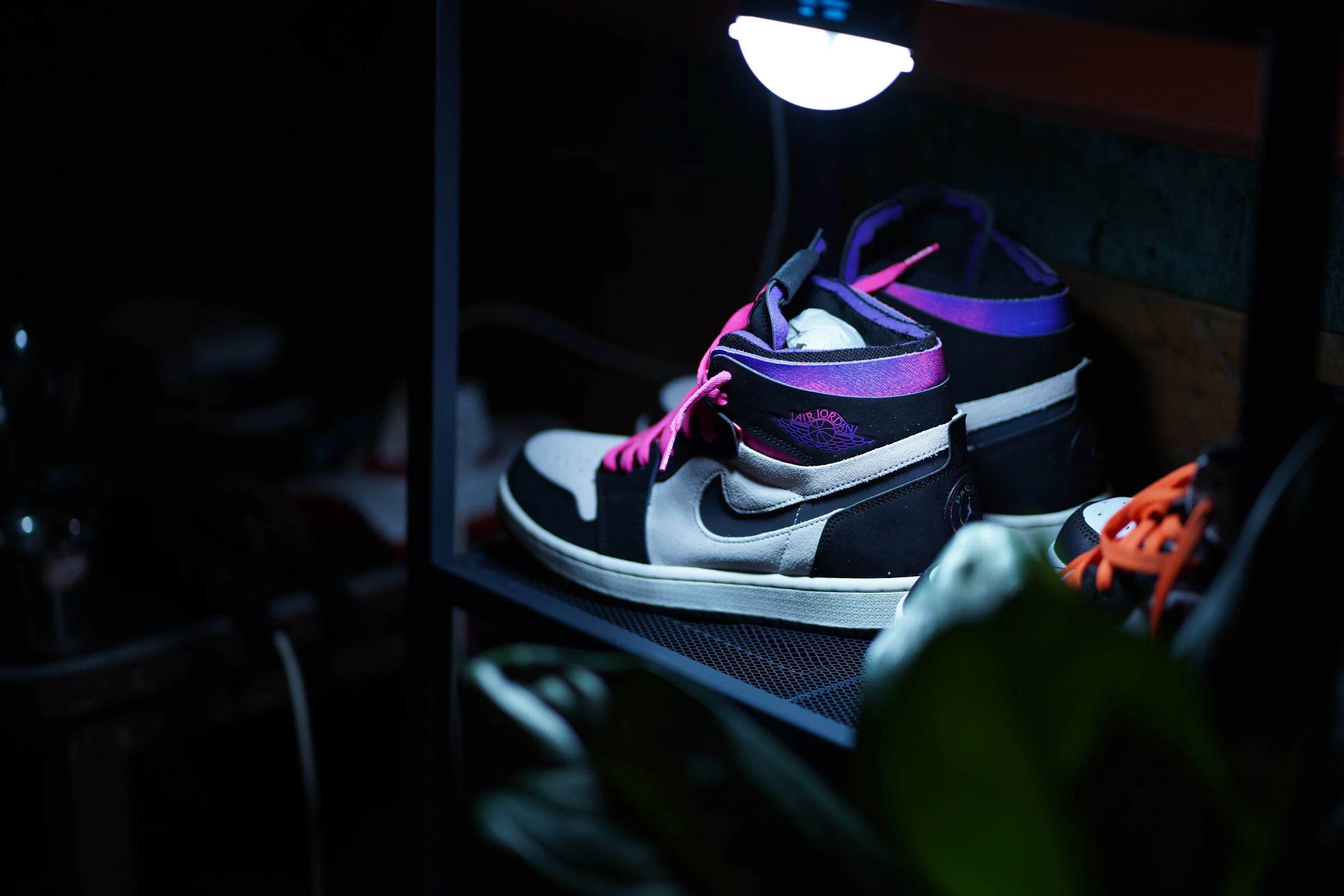
For sneakerheads breaking into the Jordan 4 scene in 2026, a strategic approach can yield both personal enjoyment and impressive financial gains without necessitating an large upfront cost. Kicking off with GR releases at original price establishes baseline awareness of the silhouette’s construction materials, fit, and craftsmanship before spending on pricier exclusive drops. Watching Nike’s SNKRS app, watching credible leak pages on Instagram and Twitter, and entering nearby sneaker networks can provide early details on future releases. The moderate segment between $250 and $500 presents superb deals — editions like “Military Blue” offer impressive collector credibility without exorbitant costs. Being patient is potentially the most valuable asset, as values on certain editions decline 10% to 15% after opening buzz before plateauing. Buying from different eras forms a balanced collection that reflects the whole journey of the Air Jordan 4.
Final Thoughts on the Air Jordan 4 Retro Legacy
The Air Jordan 4 Retro continues as a fan favorite because it lives at the perfect crossroads of design brilliance, cultural weight, and market scarcity. Tinker Hatfield built a shoe in 1989 that surpassed its era, and Nike has skillfully managed its history through deliberate retro releases and notable joint projects. Whether you are interested in the AJ4 for its monetary opportunity, its profound connections in basketball and hip-hop, or purely because it looks stunning on foot, there is no arguing with the model’s unique spot in footwear history. The demand continues unabated as new generations encounter the model. In a industry saturated with new launches every single week, the Air Jordan 4 Retro reliably emerges from the noise. If you have yet to have slotted a pair to your collection, 2026 is as persuasive a time as any to dive in.